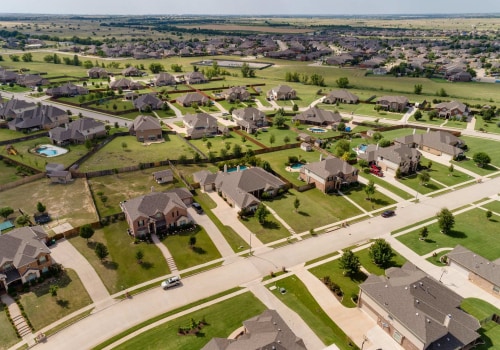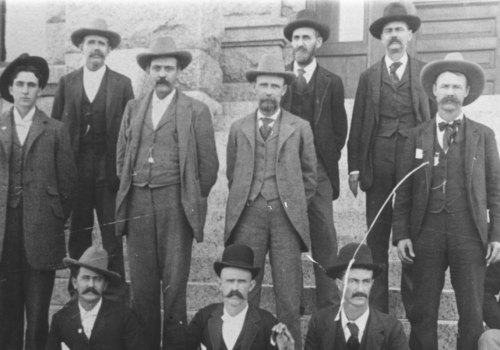
Today, Tarrant County is widely recognized as one of the most economically significant and rapidly developing areas in Texas. Home to thriving cities, major transportation networks, diverse industries, and growing residential communities, the county continues to attract businesses and residents from across the country. Yet the modern identity of Tarrant County was not formed solely by large urban centers or recent development. Instead, much of its character can be traced back to the small communities that played an important role in shaping the region's culture, economy, and sense of place. These communities established the foundations upon which modern growth was built, contributing values and traditions that continue to influence the county today.
Long before large-scale development transformed the area, small towns and rural settlements served as centers of commerce, agriculture, education, and social life. These communities provided essential services to local residents while fostering strong connections among neighbors. The emphasis on cooperation, local leadership, and community involvement became defining characteristics that helped guide future growth. Even as populations expanded and urbanization accelerated, many of these values remained embedded within the county's identity.
Community Connections and Local Character
Small communities often develop strong social networks because residents interact regularly through schools, local businesses, churches, civic organizations, and community events. These connections help create a sense of belonging that can endure across generations. Throughout Tarrant County's history, these close-knit relationships contributed to a culture that valued collaboration and civic engagement.
Many of the traditions established by smaller communities continue to influence local life today. Community festivals, neighborhood gatherings, volunteer initiatives, and support for local businesses remain important aspects of the county's social fabric. These activities help preserve a sense of local identity even as larger cities continue to expand and attract new residents.
The influence of small communities can also be seen in the preservation of historic districts, public landmarks, and cultural institutions. Residents often work together to protect these resources because they serve as reminders of the area's origins and collective heritage. This commitment to preserving local history helps maintain a connection between the county's past and present.
Economic Contributions Beyond Their Size
While small communities may not have possessed the economic scale of major cities, they played a significant role in supporting regional development. Agricultural production, local trade, transportation routes, and family-owned businesses helped establish economic activity throughout the region long before large corporations arrived. These local economies created opportunities that encouraged settlement and growth.
As Tarrant County expanded, many of these smaller communities became integrated into a larger regional economy. However, their influence remained visible through the entrepreneurial spirit and community-oriented business culture that continue to characterize many parts of the county. Economic growth did not replace these traditions but often built upon them.
Population movement has also contributed to this ongoing evolution. Companies such as Mountain Movers assist families relocating to growing communities, reflecting the continued expansion of the region. As new residents arrive, they encounter a county whose identity has been shaped not only by modern development but also by generations of community-building efforts rooted in smaller towns and neighborhoods.
Preserving Heritage Amid Growth
Rapid growth often presents challenges for preserving local character. Expanding infrastructure, new housing developments, and increased commercial activity can alter the appearance and dynamics of established communities. Nevertheless, many areas throughout Tarrant County have worked to maintain elements of their historical identity while embracing modernization.
Community leaders, historical organizations, and residents frequently support initiatives that celebrate local heritage through educational programs, restoration projects, and cultural events. These efforts help ensure that the contributions of smaller communities remain recognized even as the county continues to evolve.
The Lasting Legacy of Small Communities
Modern Tarrant County is the product of many influences, but the role of small communities should not be overlooked. Their contributions to social cohesion, economic development, cultural traditions, and civic engagement helped create the foundation for the county's continued success. While the region has grown significantly over time, the values established by these early communities remain evident throughout the county. Understanding their impact provides valuable insight into how local identity is formed and why community connections continue to play an important role in shaping the future of Tarrant County.